The Great Florida Birding and Wildlife Trail
More than 500 places to watch birds and wildlife, from the Panhandle to the Dry Tortugas
What the Trail Is
The Great Florida Birding and Wildlife Trail isn't a single path you hike from end to end. It's a statewide network of more than 500 hand-picked wildlife viewing sites, linked by roughly 2,000 miles of highway, that you can visit in any order. Sites range from vast national wildlife refuges and wildlife management areas to small city parks and nature preserves, and each one was chosen for the quality of its wildlife viewing, its value for education, how easy it is for the public to reach, and how well its habitat holds up to visitors.
The Trail is run by the Florida Fish and Wildlife Conservation Commission (FWC), with support from the Florida Department of Transportation and the Fish and Wildlife Foundation of Florida. It began as an idea from Florida Audubon in the late 1990s. The East Florida section opened in November 2000, followed by the West section in 2002, the Panhandle in 2004, and the South section in 2006, which completed the statewide network. New sites are still being added.
Look for highway signs with the swallow-tailed kite logo. They mark the turnoffs to Trail sites, so you'll often spot one while driving somewhere else.
The Four Regions and Their Gateways
The Trail is divided into four regions, Panhandle, West, East and South, and within each region nearby sites are grouped into clusters so you can string several together in a day. Each region also has two or three gateway sites: larger, well-staffed places that work as information hubs for the surrounding area. Gateways have staff on hand to answer questions, kiosks explaining the Trail, and visitor centers with news about birding walks, classes and events. Several have also offered loaner binoculars.
- Panhandle: Big Lagoon State Park (Pensacola) and St. Marks National Wildlife Refuge (south of Tallahassee)
- West: Paynes Prairie Preserve State Park (Gainesville) and Fort De Soto Park (St. Petersburg)
- East: Fort Clinch State Park (Fernandina Beach), Merritt Island National Wildlife Refuge (Titusville) and Tenoroc Fish Management Area (Lakeland)
- South: Corkscrew Swamp Sanctuary (Naples) and Arthur R. Marshall Loxahatchee National Wildlife Refuge (Boynton Beach)
A gateway makes a good first stop if you're new to an area or to birding in general.
What You Can See
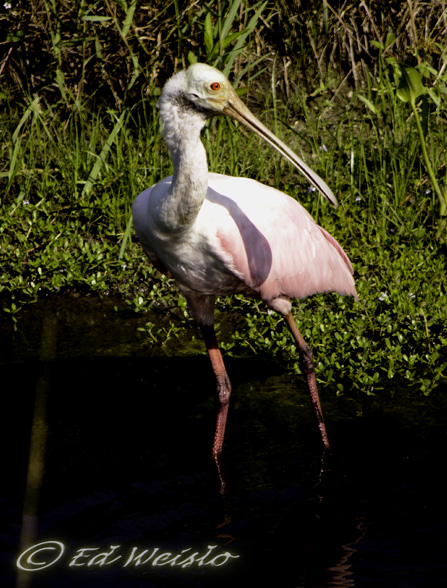
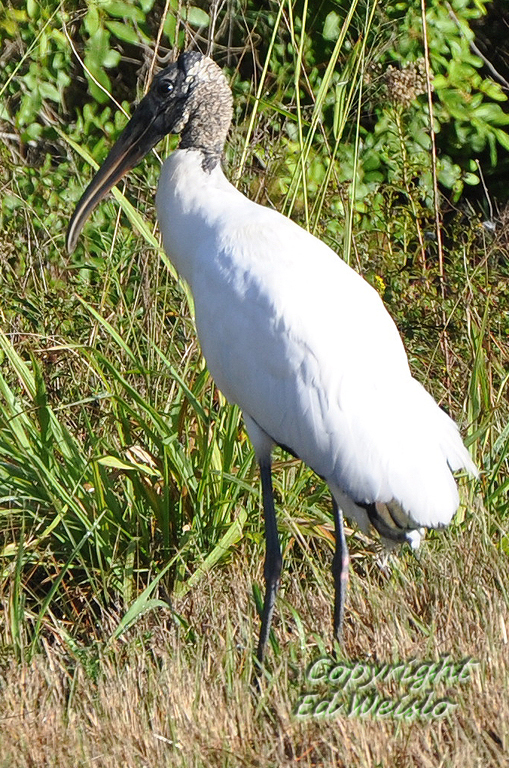
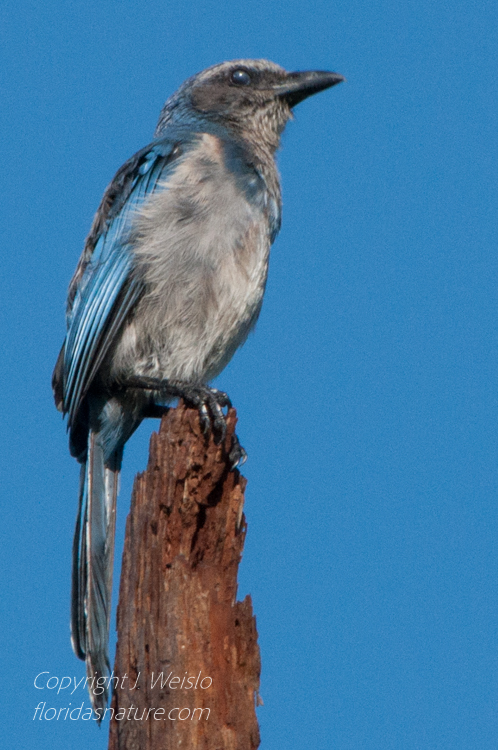
Florida has recorded more than 500 bird species, and the Trail's sites cover nearly every habitat they use: beaches and mudflats, salt marshes and mangroves, freshwater marshes and cypress swamps, pine flatwoods, sandhills, scrub and hardwood hammocks. That variety is what makes the Trail rewarding for beginners and experienced birders alike.
Wading birds are the signature sight: great and snowy egrets, great blue, little blue and tricolored herons, white ibis, wood storks and the unmistakable pink roseate spoonbill. Shorebirds, gulls, terns and black skimmers crowd coastal sites, especially in fall, winter and spring migration.
Florida specialties draw birders from around the world. Look for the Florida scrub-jay, found only in Florida, in oak scrub; the red-cockaded woodpecker in mature longleaf pine; the snail kite over Everglades marshes and big lakes; the limpkin along rivers and springs; the swallow-tailed kite gliding overhead from spring through summer; and the short-tailed hawk, burrowing owl and Florida sandhill crane.
Seasons on the Trail


Fall (September to November) brings migrating songbirds, hawks and falcons along the coasts. In October the Panhandle coast, especially around St. Marks, is famous for its migrating monarch butterflies.
Winter (December to February) is peak season for many sites. Ducks, white pelicans, shorebirds and sandhill cranes arrive from the north, and the cooler weather makes long walks comfortable.
Spring (March to May) is the time for songbird fallouts at coastal sites like Fort De Soto, when warblers, tanagers and buntings land after crossing the Gulf. Wading bird rookeries are busy with nesting.
Summer (June to August) is hot and buggy, but it's the season for swallow-tailed kites, nesting least terns and black skimmers, and colorful birds like painted buntings and purple gallinules. Go early in the morning.
More Than Birds
The word wildlife is in the Trail's name for good reason. Alligators bask along canals and marsh edges at many sites. Manatees gather in warm springs and rivers in winter. River otters, white-tailed deer, gopher tortoises and, in North Florida's larger forests, black bears are all possible. Paynes Prairie is known for its free-roaming bison and wild horses.
Florida also has more butterfly species than anywhere else in eastern North America, and many Trail sites are excellent for them, from zebra longwings, the state butterfly, to swallowtails, sulphurs and hairstreaks. Dragonflies, wildflowers and native plants round out a visit.
Amenities Along the Trail
Because Trail sites are managed by many different agencies and organizations, amenities vary a great deal. A large refuge may have a visitor center and miles of trails, while a small preserve may have a parking area and a single path. Here is what you'll commonly find:
- Boardwalks through swamps, marshes and mangroves, many of them wheelchair accessible. Corkscrew Swamp's 2.25-mile boardwalk winds through old-growth bald cypress.
- Observation towers and platforms overlooking marshes, bays and prairies, which are ideal for scanning with a spotting scope and for photography.
- Wildlife drives, such as Merritt Island's 7-mile Black Point Wildlife Drive, Lake Apopka's North Shore Wildlife Drive and the Wildlife Drive at J.N. "Ding" Darling National Wildlife Refuge on Sanibel, where your car works as a moving bird blind.
- Visitor and nature centers with exhibits, bird lists, guided walks and staff who know where the birds have been seen recently.
- Hiking and biking trails, paddling launches for canoes and kayaks, fishing piers and picnic areas.
- Restrooms, campgrounds and accessible facilities at many, but not all, sites.
The official website's Find a Site map lets you search by city or address and filter sites by amenities such as restrooms, camping and accessible facilities. You can also filter for free or paid entry, for sites with seasonal hunting, and for sites where particular birds are most likely to turn up, based on eBird sightings. Each site page lists the best time to visit, species to look for, habitats and directions.
Guides, Checklists and Wings Over Florida
The Trail publishes printed guidebooks for each region, plus illustrated checklists of Florida's birds, butterflies, and reptiles and amphibians, which can be ordered through the official website.
Its Wings Over Florida program is a free way to track your progress. Keep a list of the birds or butterflies you see in Florida and apply for certificates as you reach milestones on your life list. A Big Year certificate is available for anyone who sees at least 50 bird species or 20 butterfly species in Florida in a calendar year, and there's a Junior Birder program for young students.
Birding festivals held at Trail sites are another great way to start. They include the North Shore Birding Festival at Lake Apopka each December and the Florida Birding & Nature Festival in west-central Florida each spring.
Tips for Visiting
- Go early. Birds are most active in the first few hours after sunrise, and Florida afternoons get hot.
- Check before you go. Hours, entrance fees and road conditions vary by site, and some areas close temporarily after storms or for prescribed burns.
- Know the hunting seasons. Some sites, especially wildlife management areas, allow seasonal hunting. Check the site's schedule and wear bright colors in season.
- Bring the basics: binoculars, water, sunscreen, a hat and insect repellent. A field guide or a bird identification app helps too.
- Give wildlife space. Stay on trails and boardwalks, keep well back from nesting birds and alligators, and never feed wildlife.
- Share what you see. Reporting sightings to eBird or iNaturalist helps scientists track Florida's birds and wildlife.
To plan a trip, find sites near you and download information, visit FloridaBirdingTrail.com. To learn more about the birds you're likely to see, browse our Florida bird identification pages.